
FAQ
Plain answers to the questions farmers ask.
What is permaculture, in simple terms?
It is designing a farm so its parts support each other. Animals fertilise and weed, trees give shade, and waste from one part feeds another, so the farm needs fewer bought inputs.
Does this work on an oil palm estate?
Yes, in stages. Livestock can graze between palms to manage undergrowth and add manure, and some estates add shade-tolerant crops or bees. Gene starts with a small trial area before changing anything at scale.
Will I have to stop what I'm doing now?
No. Changes are phased so your current income keeps running while new systems are introduced.
How soon will I see savings?
It depends on the farm. Some changes, like poultry for pest control, can reduce costs within a season. Bigger redesigns take two to three years to mature. Gene sets milestones with you so you can track progress.
Which livestock suit Malaysia's heat and humidity?
It depends on your land and goals. Gene recommends breeds by climate, purpose and local availability, and plans shade, water and feed around them.
What does "separation-free dairy" mean?
Calves stay with their mothers instead of being removed after birth. Some milk goes to the calf and the rest is milked. It suits farms selling to buyers who will pay more for ethical dairy.
Do you only work with big farms?
No. Gene works with estates, smallholders, new farmers and kampung communities. Smaller farms can start with a single service or a one-day visit.
How much does it cost?
One-off projects start from RM 6,000 for a crop portfolio and go up to RM 25,000 or more for a full farm transformation. Ongoing support starts from RM 3,000 a month. Every engagement starts with a visit, so you get a clear quote before committing.
Can government programs help pay for this?
Sometimes. Some rural development and smallholder programs fund this kind of work. Gene can point you to options and help with the farm plan an application needs.
Which areas do you cover?
Gene travels to farms across Malaysia. Follow-up between visits happens over WhatsApp and video calls.
Do you consult in Bahasa Malaysia?
Yes. Consultations are in Bahasa Malaysia or English.
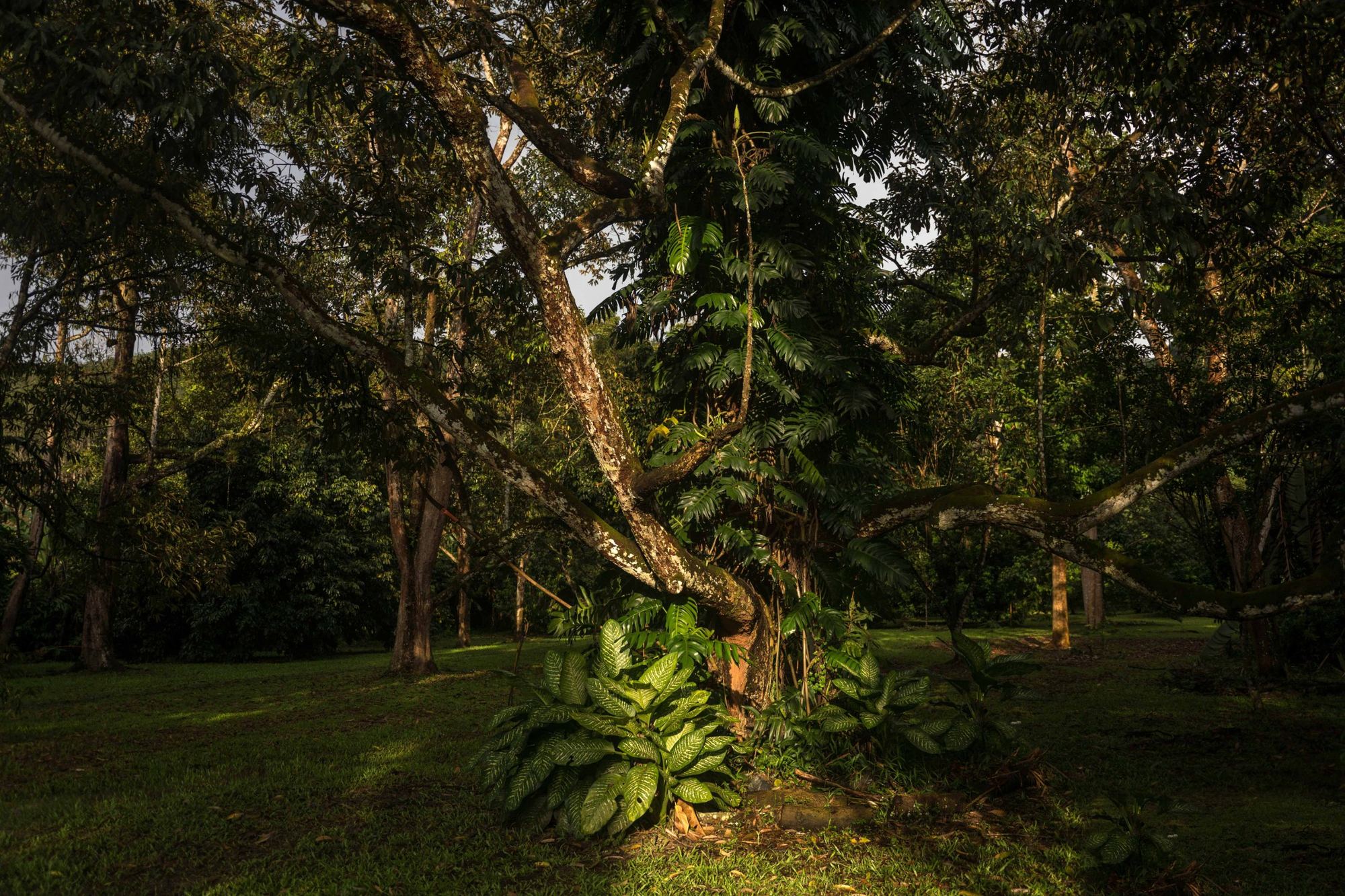
Every farm starts with a walk.
Gene visits, listens, and looks at your soil, water, animals and goals. You leave the first meeting with a clear picture of what is possible.
WhatsApp Gene