
Our farm story · North Carolina, USA
Ten years. One living experiment.
Before advising anyone, Gene spent ten years restoring his own farm in North Carolina. Every animal had a job, and every job supported something else. It became the proof that restorative farming works.
How it worked
Everything had a job that supported everything else.
Nothing on the farm worked alone. Each animal did something the others needed, so the whole farm ran on its own relationships instead of bought inputs.

The pasture
Living lawnmowers
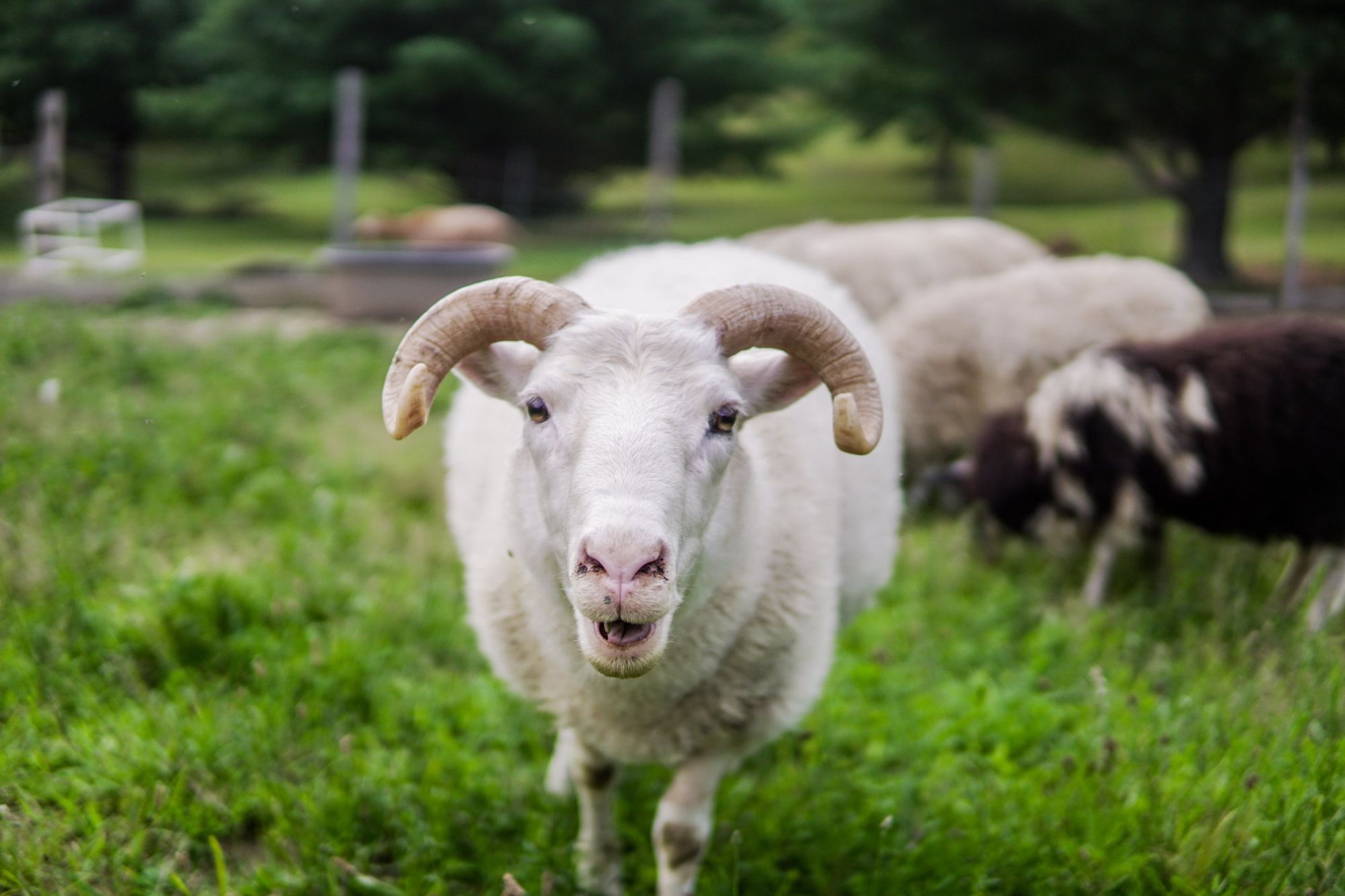
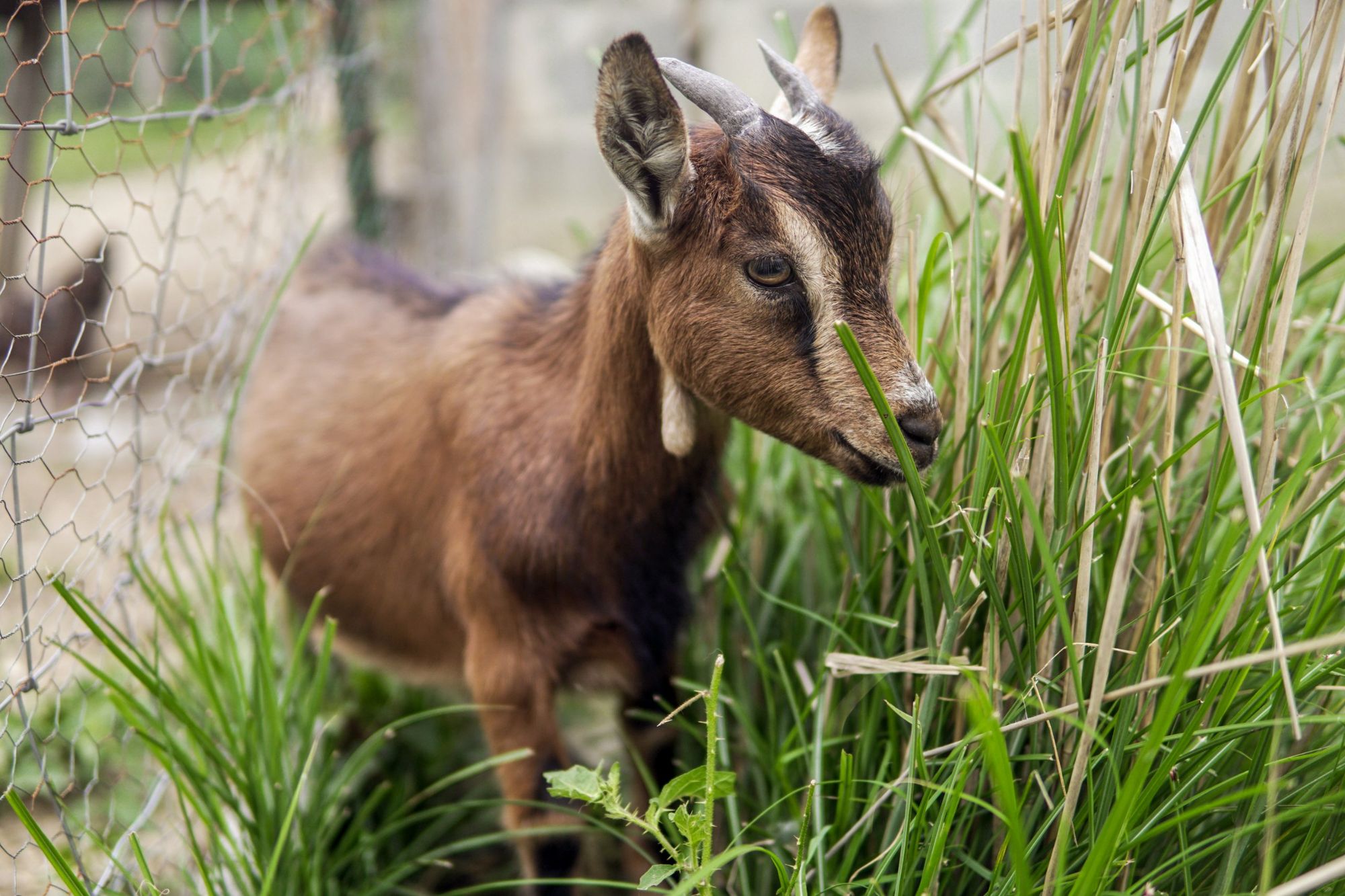
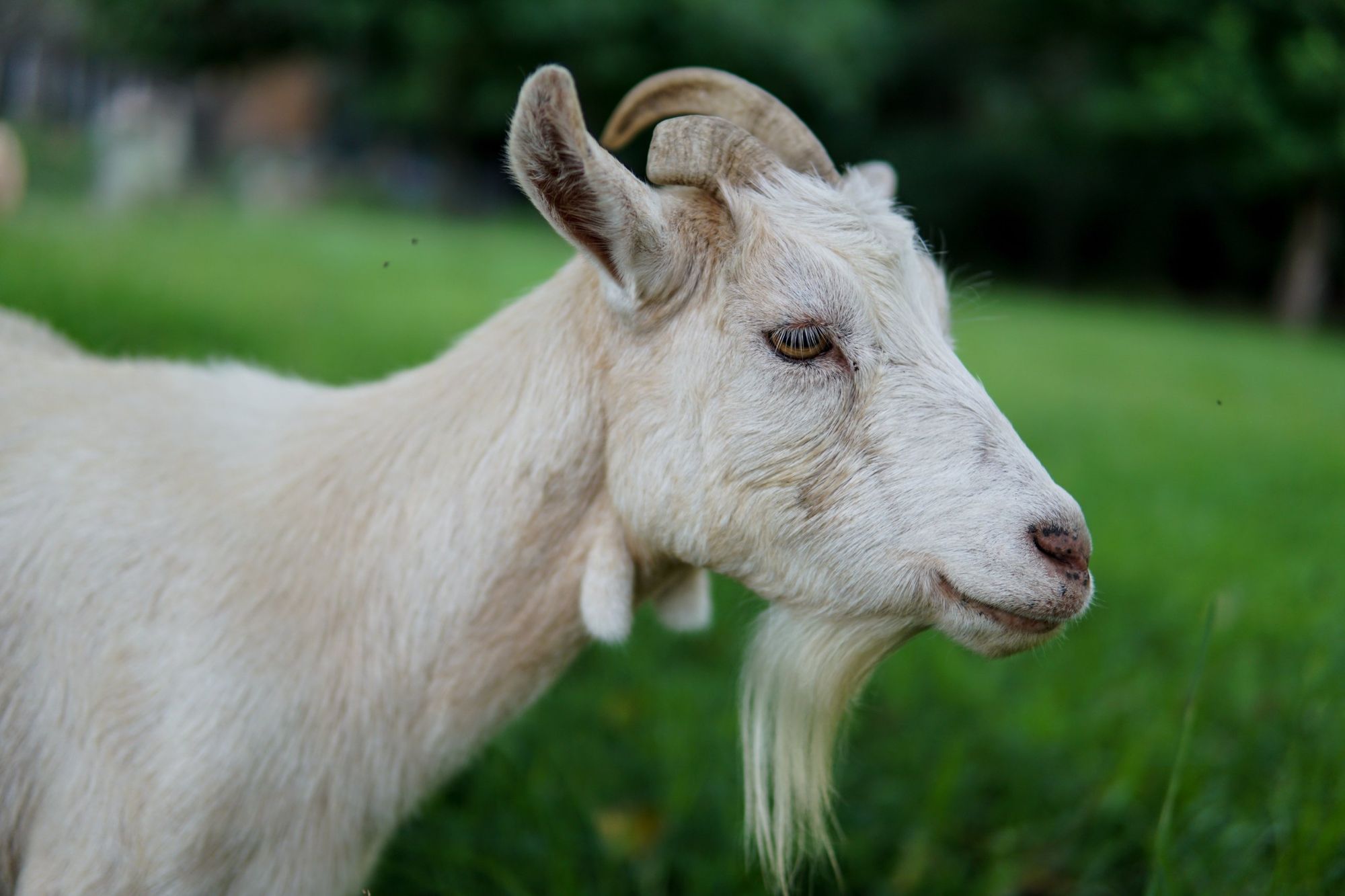
Goats and sheep mowed the pastures, moving through them in rotation. Each area was grazed, then rested and regrew, so the land grew stronger instead of wearing thin.

The chickens
Compost, eggs and meat
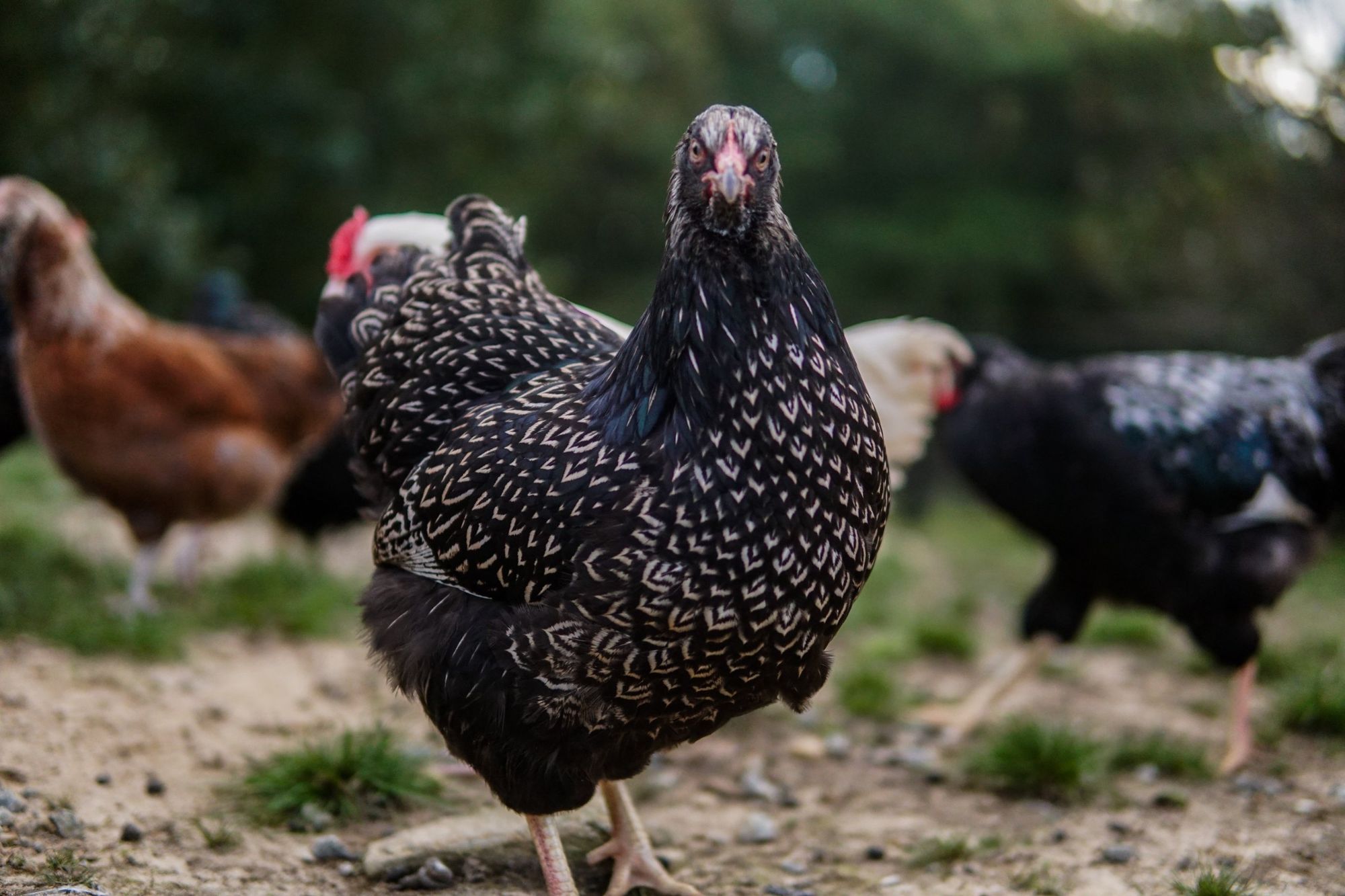
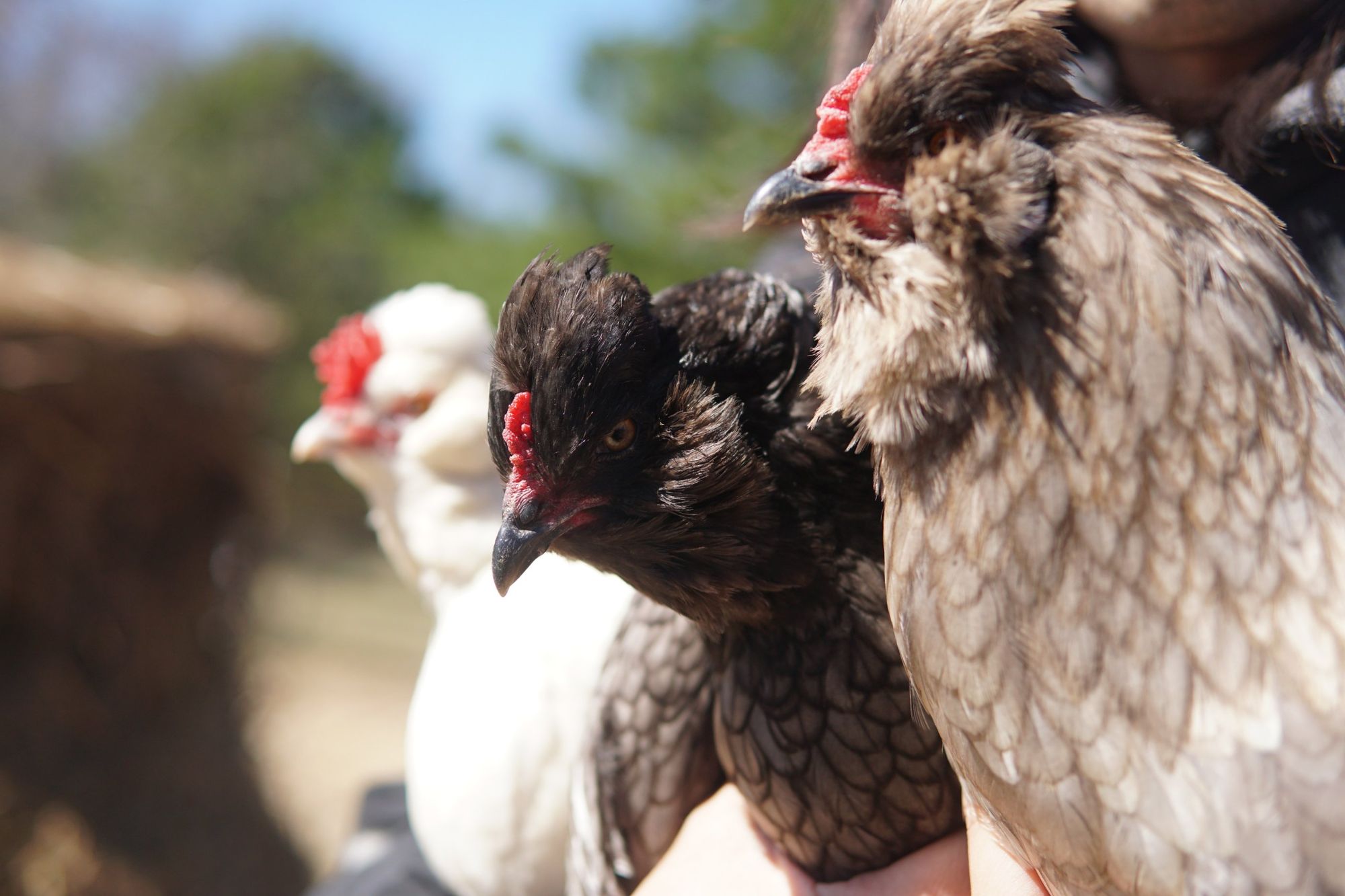
Free-ranging chickens turned the compost, laid eggs and raised the next generation, providing both eggs and meat to feed the farm's dogs.

The dogs
Guardians and income
The adult dogs were the farm's main security, guarding every other animal so the chickens could range freely. Their puppies, bred for the job, sold well and brought in a good income.

The land
Balance
With every part supporting another, one person could run the farm and make a living from it. The land came back into balance, and wildlife began returning on its own.

The proof
Then the fireflies came back.
As the farm came back into balance, the wildlife returned on its own. Insects first, then the small birds and sparrows that feed on them. And on summer evenings, fireflies drifting over the fields again.
For Gene, that was the clearest sign the method worked: when every part of a farm supports the others, the land starts to heal itself.
Life on the farm
The animals who did the work.






What we learned
Systems beat single fixes.
Changes work best in stages, so the farm keeps earning while it changes. And animals that are treated well are easier to work with and healthier to keep.
Bringing it home
Malaysia is not North Carolina.
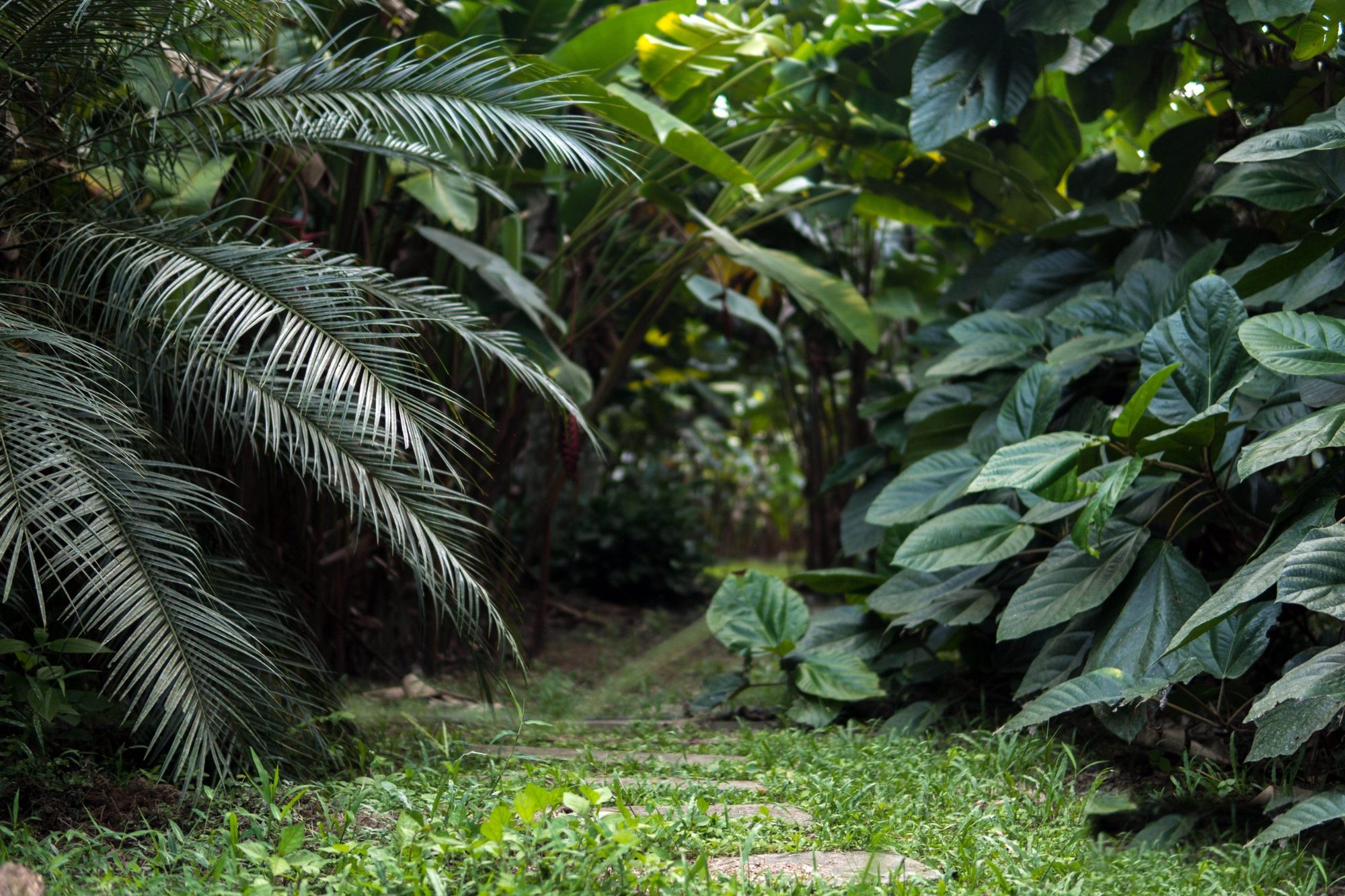
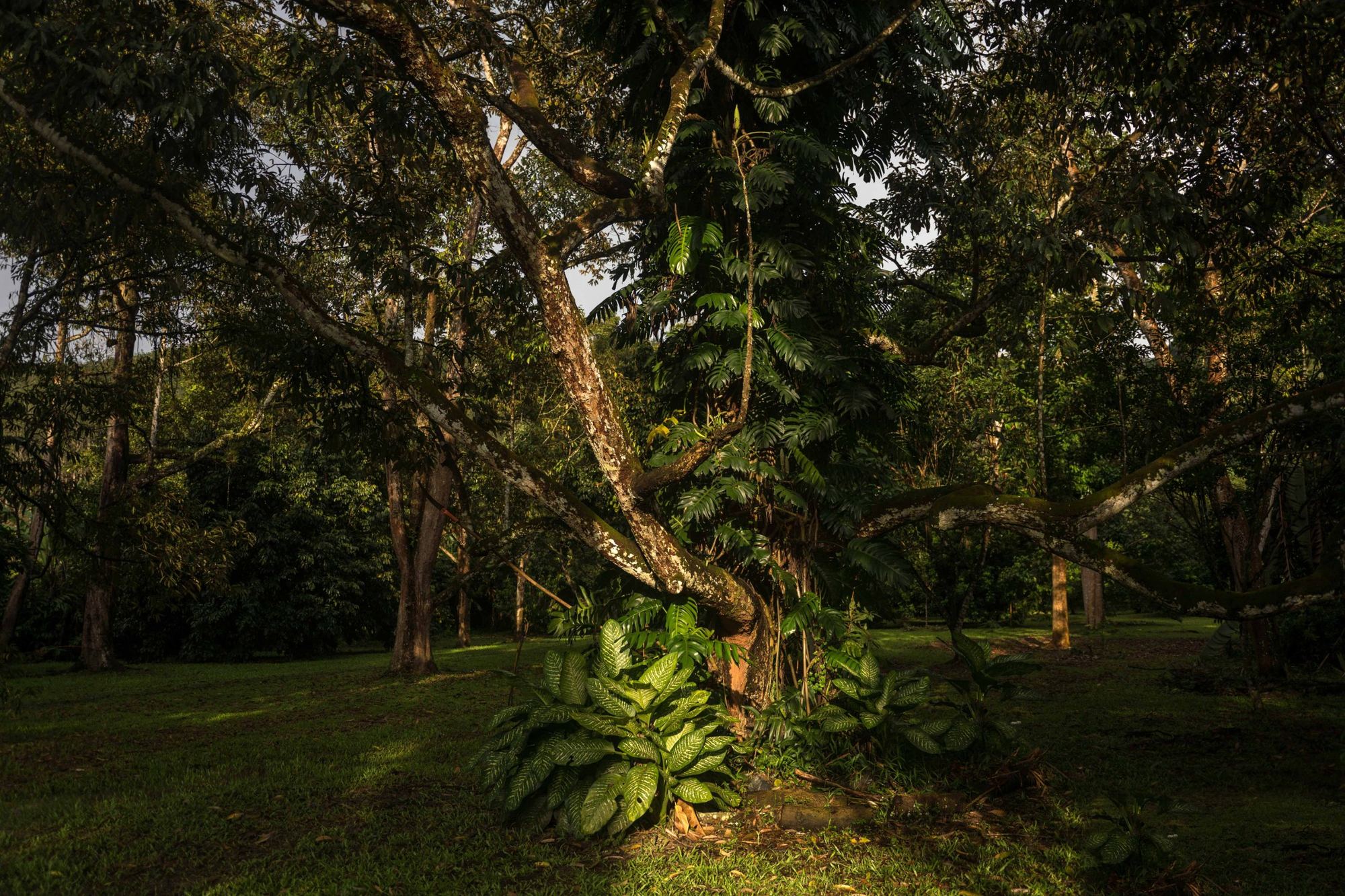
Since 2020, Gene has been adapting each piece for the tropics: breeds that handle heat and humidity, shade crops for Malaysian canopies, and planting around a very different rainy season.
Malaysian case studies will be added here as clients see results, each told in the farmer's own words.
Every farm starts with a walk.
Gene visits, listens, and looks at your soil, water, animals and goals. You leave the first meeting with a clear picture of what is possible.
WhatsApp Gene